Make your life healthier and more interesting by injecting some bright bursts of colour. And I'm not just talking about updating your wardrobe.

So what is this mysterious element responsible for giving fruits and vegetables their beautiful red, orange, yellow and some dark green hues? Well it is none other than the plant compound: carotenoids - a large family of fat-soluble pigments.
Carotenoids are not just a pretty face, they also play a vital role in decreasing oxidative damage in our cells. Their anti-oxidising power helps body cells to live longer and improve our overall health and longevity.
Since there are over 600 known carotenoids, I have chosen five of the most powerful and health enhancing carotenoids. Also included is a list of carotenoid-rich foods that can easily be included in your diet.
1. Lycopene
A bright red carotenoid pigment, known to be one of the most potent antioxidants. Can protect against heart disease and may decrease the chances of men developing prostate cancer.
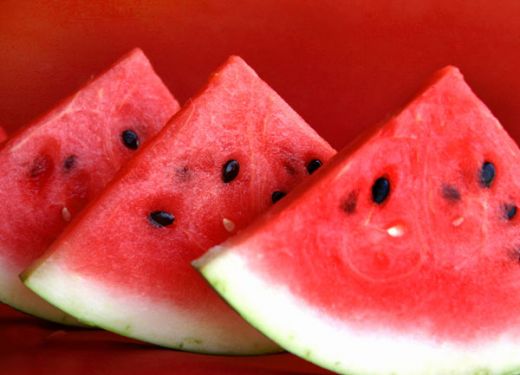
Found in: tomato paste/sauce*, watermelon, guava, pink grapefruit, papaya, red capsicum
*Unlike other fruits and vegetables, where nutritional content such as vitamin C is diminished upon cooking, the processing of tomatoes increases the concentration of bioavailable lycopene. Lycopene in tomato paste is four times more bioavailable than in fresh tomatoes. For this reason, tomato paste is a preferable source as opposed to raw tomatoes.
2. Lutein
A yellow caretenoid pigment, most often linked to optimal vision (lessen macular degeneration or age-related vision loss) and skin health (protects the skin against UV damage and increases skin hydration and elasticity).
Found in: peaches, mango, oranges, prunes


3. Zeaxanthin
Found in many of the same food sources as lutein and is strongly linked to eye health (protects eyes by filtering out UV light and lessens the risk of cataracts and age-related macular degeneration).
BOTH lutein & zeaxanthin are found in: spinach, kale, broccoli, peas, egg yolks, brussel sprouts, cabbage, kiwis, honeydew melon

4. Astaxanthin
A bright red pigment produced by microscopic plants such as algae, shown to enhance the immune system by increasing the number of anti-body producing cells.
An interesting fact: astaxanthin is unique in how it journeys into the human food chain. Many marine animals eat astaxanthin-rich algae which then becomes concentrated in their shells and flesh, giving them their red colour - this can vary in intensity.
Found in: salmon, trout, prawns, crayfish

5. Alpha & Beta carotene (α & β)
A rich red-orange pigment, classified as provitamin A compounds due to their conversion of retinol into an active form of vitamin A used by the body. Aside from providing your body with vitamin A, both α & β-carotenes protect cells from free radicals, enhance the immune system and support a healthy reproductive system.
β-carotene is the more powerful of the two, having twice the vitamin A activity than that of α. Research shows that β-carotene protects the skin by reducing the redness of UV-induced skin and improving melasma - a dark skin discolouration.
But too much intake of β-carotene can lead to carotenodermina - a yellow-orange discolouration of the skin, resulting in looking like an oompa-loompa! This is usually harmless and disappears once β-carotene intake returns to normal.
Found in: carrots, butternut squash, sweet potatoes, green beans, coriander, silverbeet, spinach, rockmelon

All of these carotenoids can be obtained through numerous food sources. Keep in mind that due to their fat-soluble molecular make-up, carotenoids need to be ingested with a healthy fat for optimal absorption in the digestive tract. Adding extra-virgin olive oil or nuts to your meal can do the trick.
So here is my challenge to you - see how colourful you can make your next meal by including as many different carotenoid-rich foods as you can!
JW
References
- www.alive.com


